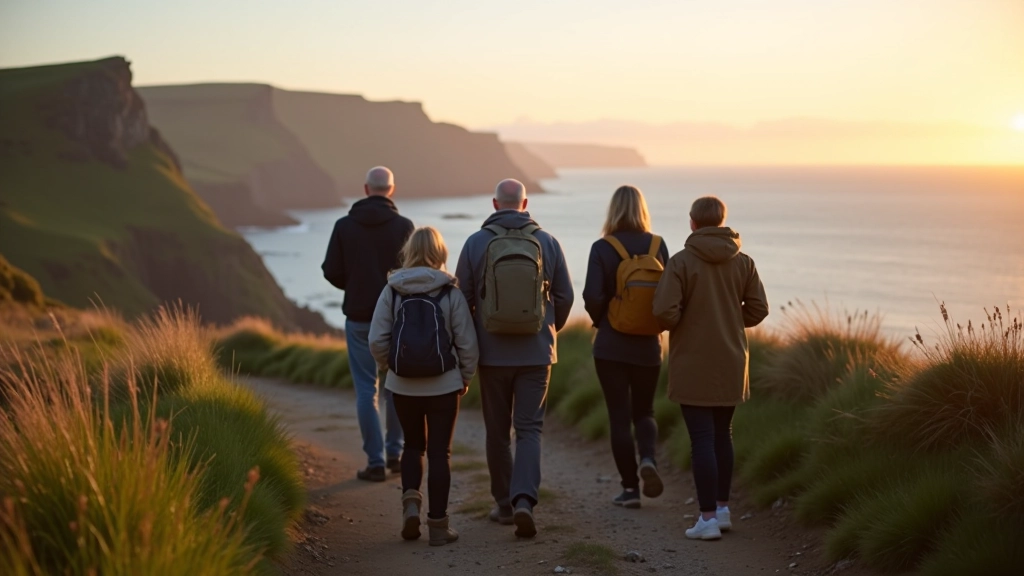
Guided Countryside Walking Tours Across Ireland
Explore Ireland’s most beautiful landscapes on foot. We cover what to pack, difficulty levels, and how to join groups that match your pace.
Read MoreStart painting or deepen your skills. Discover beginner-friendly classes throughout Ireland with experienced instructors who actually care about your progress.
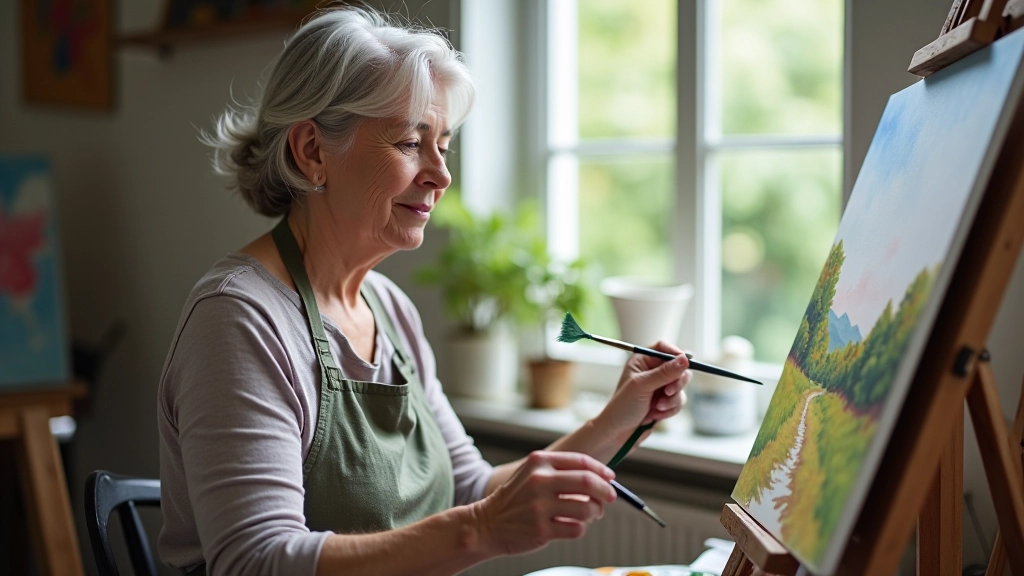
There’s something magical about watching colour bloom across wet paper. You’ll notice it on your first day — that moment when you mix a puddle of cobalt blue and it just flows where you guide it. That’s the appeal of watercolour. It’s forgiving but responsive, loose but learnable.
We’re not here to turn you into a professional artist. What we do is teach you the fundamentals — how water works with pigment, how to build layers, how to handle a brush with confidence. Most people pick it up faster than they expect. After 4-6 weeks of regular practice, you’ll be creating paintings you’re genuinely proud to hang on your wall.
The best part? You don’t need expensive gear to start. A basic set of paints, brushes, and watercolour paper will cost you less than a weekend trip.
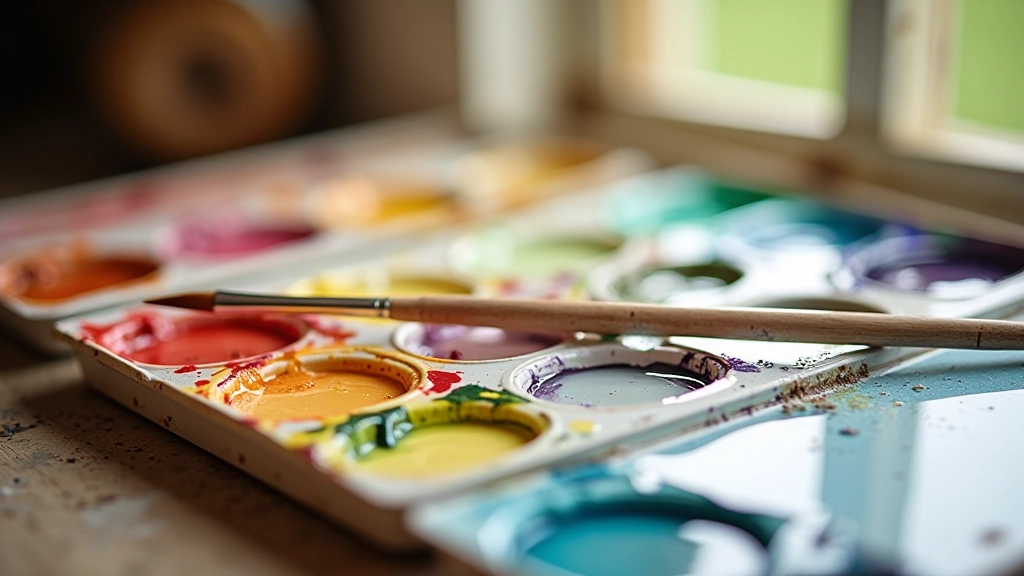
Every beginner class starts with the same foundation. You’ll learn how to load your brush properly — not too much water, not too little. You’ll practice basic washes: flat washes for skies, graded washes where colour transitions from dark to light. Then wet-on-wet techniques, where you apply paint to wet paper and let it blend naturally.
By week three, you’re mixing colours without turning everything into mud. By week six, you’re layering transparent washes to build depth. It’s systematic but it doesn’t feel rigid. Each class builds on the last one, and your instructor will adjust pace based on how everyone’s progressing.
Once you’ve mastered the fundamentals, painting becomes genuinely creative. You’re not following step-by-step instructions anymore. You’re making real decisions about where light falls, which colours matter, how loose or detailed you want to be.
Our intermediate classes focus on subject matter. Landscapes are huge — you’ll learn how to paint skies that look expansive, water that actually reflects light, trees that have depth and structure. Florals teach you how to suggest detail without painting every petal. Portraits are challenging but incredibly rewarding once you understand face proportions and skin tone mixing.
The reality? You’ll probably want to stick with what you love most. Some people paint nothing but seascapes for years. Others become portrait specialists. That’s the beauty of it — you develop your own voice and style naturally.
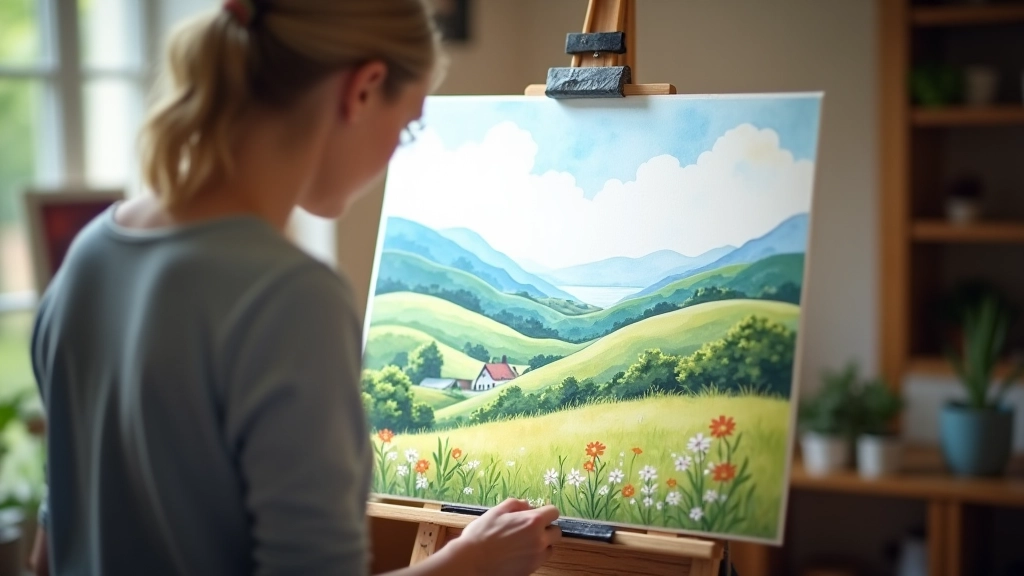
We keep groups small so everyone gets individual attention when they need it.
Maximum 8 people per class. Small enough that your instructor knows your work and can give feedback, but large enough to learn from watching others paint.
20 minutes teaching, 50 minutes painting. We show technique, demonstrate on paper, then you work while we circulate and offer guidance. You’re painting almost every minute you’re there.
8-week blocks run year-round. Tuesday and Thursday evenings, plus Saturday mornings. You can join a session whenever it starts — no long-term commitment required.
We provide paper and some paints for your first class. Bring or borrow a basic brush set. By week two, most people have invested in their own supplies — it’s not expensive.
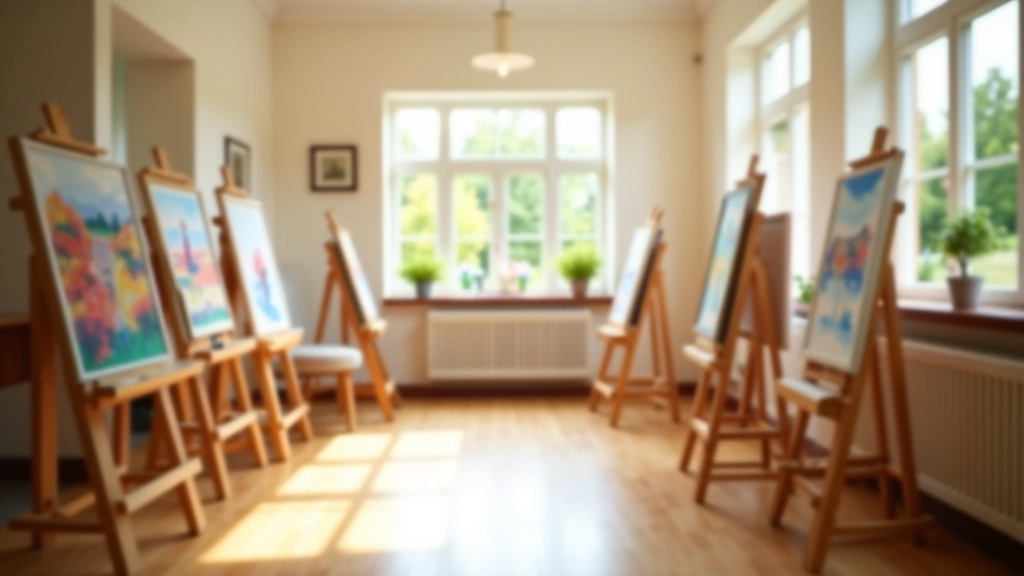
We operate in four locations across Ireland, each with proper studio space — good light, running water for cleaning brushes, and comfortable seating. You’re not crammed into a community centre basement. These are actual teaching studios with the infrastructure painters need.
Dublin classes run in Stoneybatter (north inner city) with evening and Saturday options. Cork is in the city centre near Oliver Plunkett Street. Galway operates from a converted warehouse in the Claddagh with stunning natural light. Belfast runs from a studio on the Cathedral Quarter.
If you’re not near a city, we also run occasional weekend workshops in smaller towns — places like Sligo, Athlone, and Killarney. These are one or two-day intensive formats. Not ideal if you’re new to painting, but perfect if you’ve been in a regular class and want to focus on a specific technique.
Your first painting will probably be muddy. The second one slightly less so. By painting six or seven, you’ll see real improvement. Don’t expect Instagram-ready work in week one. That’s not how learning works.
One 70-minute class per week isn’t enough. Spend 30-45 minutes painting on your own days. You don’t need a studio — your kitchen table works fine. That’s where real progress happens.
Some people copy their instructor’s work for months before developing their own approach. Others break the rules from day one. Both paths are fine. Your unique style emerges naturally once you’re comfortable with the fundamentals.
Classes attract genuine painting enthusiasts. You’ll spend time with people who’ve been painting for 2 years and people who’ve been painting for 20. That mix of perspectives is invaluable.
“I wasn’t sure I had any artistic ability at all, honestly. But after eight weeks I’d completed about fifteen paintings. Some are rubbish, some I’m actually keeping. The instructor doesn’t make you feel judged when something doesn’t work out. We all just learn from it and move on.”
— Patricia, Dublin
You don’t need much to begin. A beginner watercolour set (Winsor & Newton or Schmincke) costs 25-40. Paper is cheaper than you’d think — a pad of Arches 140gsm runs 15-20. A basic brush set is 20-30. Total investment for decent materials? Under 100.
The real investment is time and willingness to be patient with yourself. You’re learning a skill that takes practice. But it’s a skill that becomes genuinely rewarding. People paint for decades because they love it, not because they’re chasing something.
If you’re wondering whether you’ll actually stick with it, that’s normal. Most people who try one class end up taking another. Not everyone becomes a painter, but almost everyone discovers they enjoy the process — the focus, the colours, the quiet concentration.
Learn More About Our Classes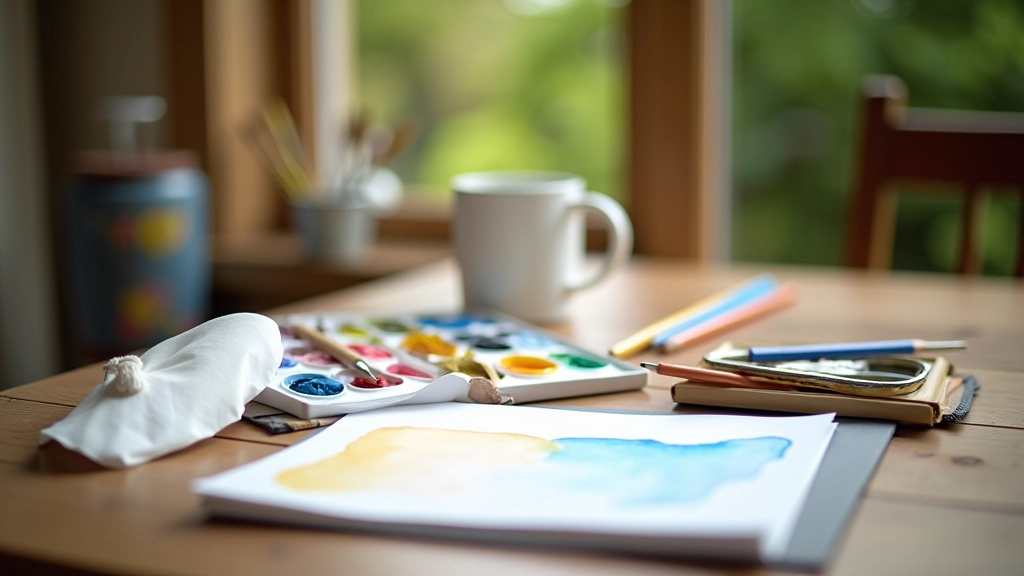
This article is informational, intended to help people understand what watercolour painting classes involve and what to expect when learning. Individual experiences vary. Some people progress faster than others. Some discover they prefer different painting mediums. Everyone’s journey is different, and that’s completely fine. For specific details about current class schedules, locations, and availability, contact the studios directly.