Guided Countryside Walking Tours Across Ireland
Explore Ireland’s most beautiful landscapes on foot. We cover what to pack, difficulty levels, and where the best guided walks happen monthly.
Why Ireland’s Walking Routes Matter
Ireland’s got something special. The rolling green hills, the dramatic coastlines, the quiet country lanes — they’re made for walking. But here’s the thing: you don’t have to figure it all out on your own. Guided tours take the guesswork out of route planning, safety concerns, and whether you’re actually headed in the right direction.
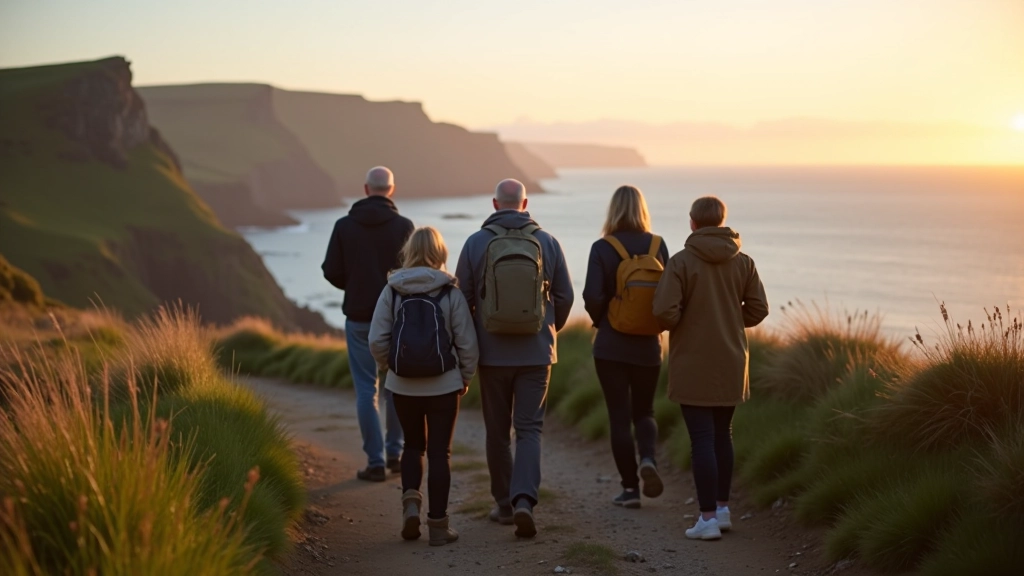
We’re talking about organized walks that happen regularly across the country. Groups range from 4 to 15 people, mostly adults in their 40s and 60s who want to get outside without the stress. The guides actually know the terrain — they’re not just leading you; they’re sharing stories about the landscape, the history, the little details you’d miss on your own.
Understanding Difficulty Levels
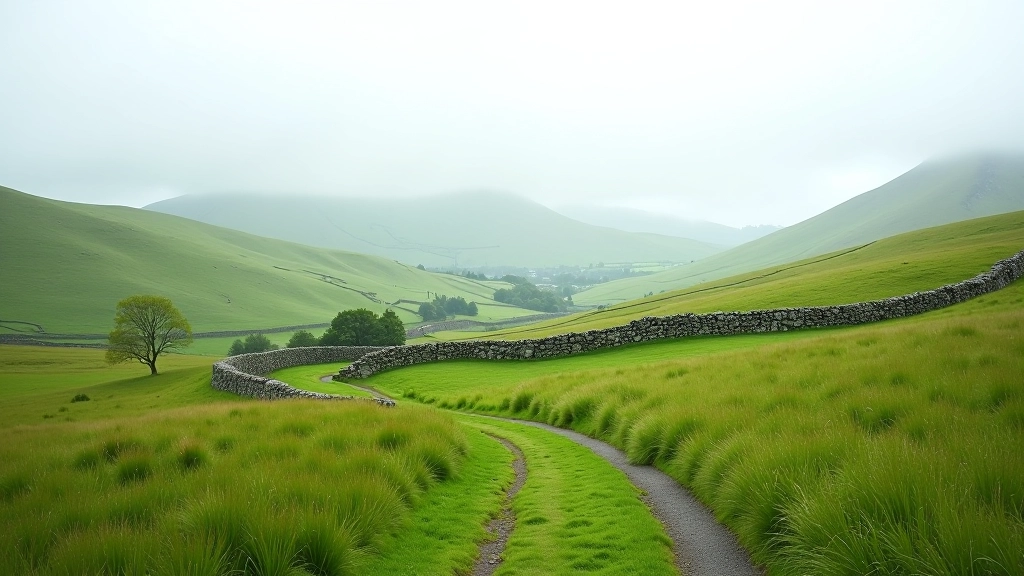
Not all walks are the same. Most guided tours get categorized into three brackets. Easy walks run about 5-8 kilometers with minimal elevation change — think flat coastal paths or gentle countryside strolls. You’ll finish in 2-3 hours and feel energized rather than exhausted.
Moderate walks cover 8-12 kilometers with some hills and uneven terrain. These take 3-4 hours and require a decent level of fitness, but they’re not mountain climbing. They’re where most regular walkers spend their time — enough challenge to feel accomplished, not so much that you’re struggling.
Then there’s challenging walks. We’re talking 12-16 kilometers, significant elevation gain, rocky paths. These aren’t for beginners, but if you’ve been walking consistently, they’re the ones that stick with you. The views tend to be worth the effort.
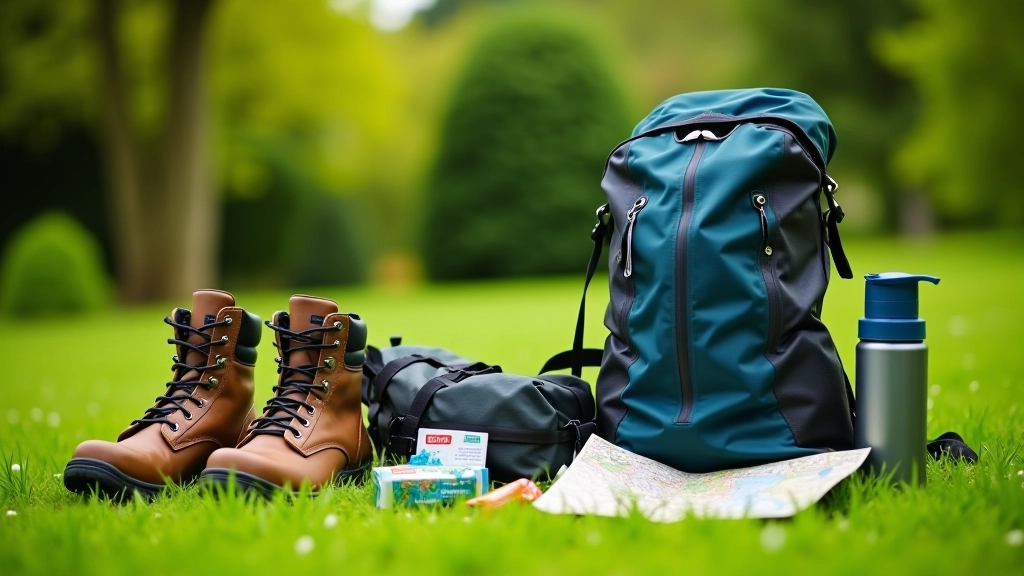
What to Pack for Irish Walking Tours
Ireland’s weather is unpredictable. It can be sunny in the morning and drizzling by afternoon. That’s not pessimism — it’s just how things work there. So your packing strategy matters more than you’d think.
Where Guided Walks Happen Monthly
Ireland’s got distinct regions, each with its own character. Here’s where you’ll find regular organized walks:
The Wicklow Mountains
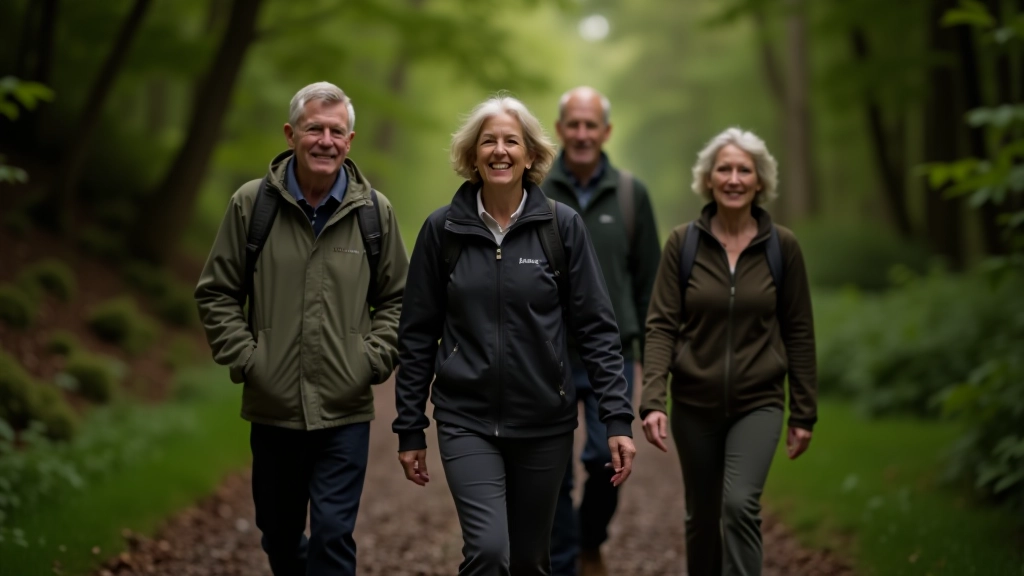
45 minutes south of DublinRolling peaks, mountain streams, and forest trails. Walks here run year-round. The easier routes follow forest paths through beech and oak trees. More challenging options climb to ridgelines with views across multiple counties.
County Clare Coastal Paths
Cliffs of Moher regionSome of Ireland’s most dramatic scenery. The cliff-top paths here are stunning but require decent fitness. Most walks follow the coastline for 8-10 kilometers. The Atlantic views don’t get old, and the guides share stories about the geology and wildlife.
The Ring of Kerry
Southwest coast, County KerryThis region’s got mountains, lakes, and ocean all mixed together. Guided walks here are well-established, with tours running 2-3 times monthly. The landscape changes dramatically as you move through different sections.
The Giant’s Causeway
Northern coast, County AntrimUnique basalt columns and dramatic coastal formations. The walks here are mostly moderate difficulty, running along clifftops and down to beach level. It’s worth the trip — you’re not just walking; you’re exploring something genuinely unusual.
What a Typical Guided Walk Looks Like
You’ll meet at a designated car park or town center, usually around 9 or 10 in the morning. The group gathers, people chat — it’s relaxed. The guide does a quick briefing: here’s the route, here’s how long it’ll take, here’s what we might see. Then you’re off.
The pace is intentionally moderate. Guides aren’t trying to set speed records. They’re walking so everyone can actually enjoy the experience and have energy to chat. You’ll stop a few times — to look at a view, to let people catch their breath, to point out something interesting. A typical 10-kilometer walk takes about 3.5 hours including stops.
“I wasn’t sure I’d keep up with the group at first. But honestly, the pace felt right from the start. By the second walk I was suggesting new routes to try.”
— Patricia, regular walker from Dublin
Most groups finish around 1 or 2 in the afternoon. Some tours include a pub stop afterward — that’s when the real conversations happen. You’ve spent hours together, you’re tired in that good way, and people open up. It’s not just about the walking; it’s about the connections.
Getting Started with Guided Walks
If you’ve never done a guided walk before, here’s what you need to know:
Find a Group Near You
Search online for “guided walking tours” plus your region. Most areas have at least one or two established groups. Look for reviews or ask at local tourist information centers. They’ll point you toward groups that run regular walks.
Start with an Easy Walk
Don’t jump into a challenging 15-kilometer mountain walk as your first experience. Pick an easy route first. Get a feel for the pace, the group dynamics, how your body responds. You’ll learn a lot about what you actually enjoy.
Invest in Proper Gear
Good boots and a waterproof jacket aren’t luxuries — they’re necessities for walking in Ireland. You don’t need to spend a fortune, but quality matters. Visit a specialist shop where they’ll fit you properly.
Build Your Routine
Most regular walkers do 1-2 walks per month. Some do more. Find a frequency that works with your schedule and doesn’t feel like an obligation. The goal is to keep going, which means it’s gotta fit your life.
The Real Value of Walking Together
Here’s what guides and regular walkers will tell you: it’s not actually about covering a certain distance or conquering a particular peak. Sure, those things happen. But what really matters is the experience of moving through the landscape at a human pace, with people who get why you’re there.
Ireland’s countryside is genuinely beautiful. But it’s the combination of the landscape, the guide’s knowledge, the group’s company, and your own effort that creates something worth remembering. You’ll finish tired, yes. But you’ll also finish satisfied — and already thinking about which walk to do next month.
Ready to Explore?
Start by researching groups in your region. Read reviews, check their walk schedules, and pick one that fits your fitness level. Your first walk might just be the beginning of something you really enjoy.
Explore More ActivitiesImportant Information
This article provides educational information about guided countryside walking tours in Ireland. Walking outdoors involves inherent risks including uneven terrain, weather exposure, and physical exertion. Before participating in any walking tour, especially if you have health concerns or limited fitness experience, consult with your healthcare provider. Always follow guide instructions, wear appropriate safety gear, check weather forecasts, and inform someone of your planned route. Individual experiences and fitness levels vary significantly — what works for one person may not suit another. This content is informational and doesn’t replace professional guidance or medical advice.
Related Activities & Resources